Access the latest insights on the 2024 Election through HarrisX's exclusive Dashboard
See insights from 2020's most accurate pollster and discover rich, trended data, track key races, and explore key groups leading up to Election DayLEARN MORE
Source:
PR Week: Message From Cannes: Communicators - The Game Today Is 90% Offense
Message From Cannes: Communicators - The Game Today Is 90% Offense
Inspired in part by the sports world, the leaders who gathered in Cannes for this Allison Worldwide-hosted roundtable highlighted the key factors that enable the proactivity brands and modern communicators must now exhibit.
By Barbara White-Sax
Two dozen industry leaders gathered at Cannes to discuss how understanding consumer emotions facilitates future-focused comms strategies. (Photo courtesy of SPORT BEACH)
PARTICIPANTS -Lark-Marie Anton, chief communications and brand officer, USA TODAY Co. -Amy Bonitatibus, chief corporate affairs officer, PayPal -Adam Collins, CCO, Reddit -Samantha Critchell, VP, corporate communications, e.l.f. Beauty -Ray Day, executive chairman, Allison Worldwide and vice chair, Stagwell -Russell Dubner, CCO, Boston Consulting Group -Francisca Fanucchi, senior director of communications, Instacart -Laura Gamble, executive partner, corporate communications, Pearson -Kori Green, chief of staff for the office of the CMO, Deloitte -Johanna Herrmann, CCO, Merck -Sarah Jenkins, head of creative brand initiatives, Grindr -Gina Laughlin, VP, global communications, Delta Air Lines -Wendy Lund, global CEO, Allison Worldwide and vice chair of health, Stagwell -Corey Martin, managing director, media and influence, Allison Worldwide -Erin Miller, VP, corporate communications, Yahoo -Dritan Nesho, CEO and founder, HarrisX -Laura Ness Owens, CMO and SVP, Bobcat -Caitlin O'Neill, director of corporate communications, IBM -Tony Sardella, head of predictive analytics, Allison Worldwide -Ashok Sinha, CCO, Dow Jones -Michelle Stevenson, executive director, marketing and communications, The Milken Institute -Scott Thornburg, senior director, marketing, Sojern -Alexis Williams, chief corporate affairs officer, Target -Tamika Young, chief marketing and communications officer, Hinge
-Moderator: Frank Washkuch, executive editor, PRWeek
Racecar drivers know to avoid depending on the rearview mirror for their next move. They can glance at it briefly to see where they’ve come from or if an opponent is gaining ground, but they know that fixating on it will cause a crash.
Looking backward too much can be just as ineffective for brands and their communicators.
During this roundtable at Cannes, hosted by Allison Worldwide and taking place at the iconic SPORT BEACH, more than 20 top comms leaders gathered to discuss how industry professionals should and can move away from using lagging indicators and start adopting more future-focused strategies and tools.
Ray Day, executive chairman of Allison Worldwide and vice chair at Stagwell, kicked off the roundtable by emphasizing the keys to being truly effective in the current marketplace.
Comms pros need to be “data led, digital first and future focused,” he emphasized.
“Communicators and brands that are winning today,” said Allison Worldwide global CEO Wendy Lund, “are the ones seeing around corners to read cultural signals early and move before the market does.”
“The comms function needs to shift from rear view to forward,” added Allison Worldwide’s Tony Sardella. “The key to that is the transition to more predictive analytics.”
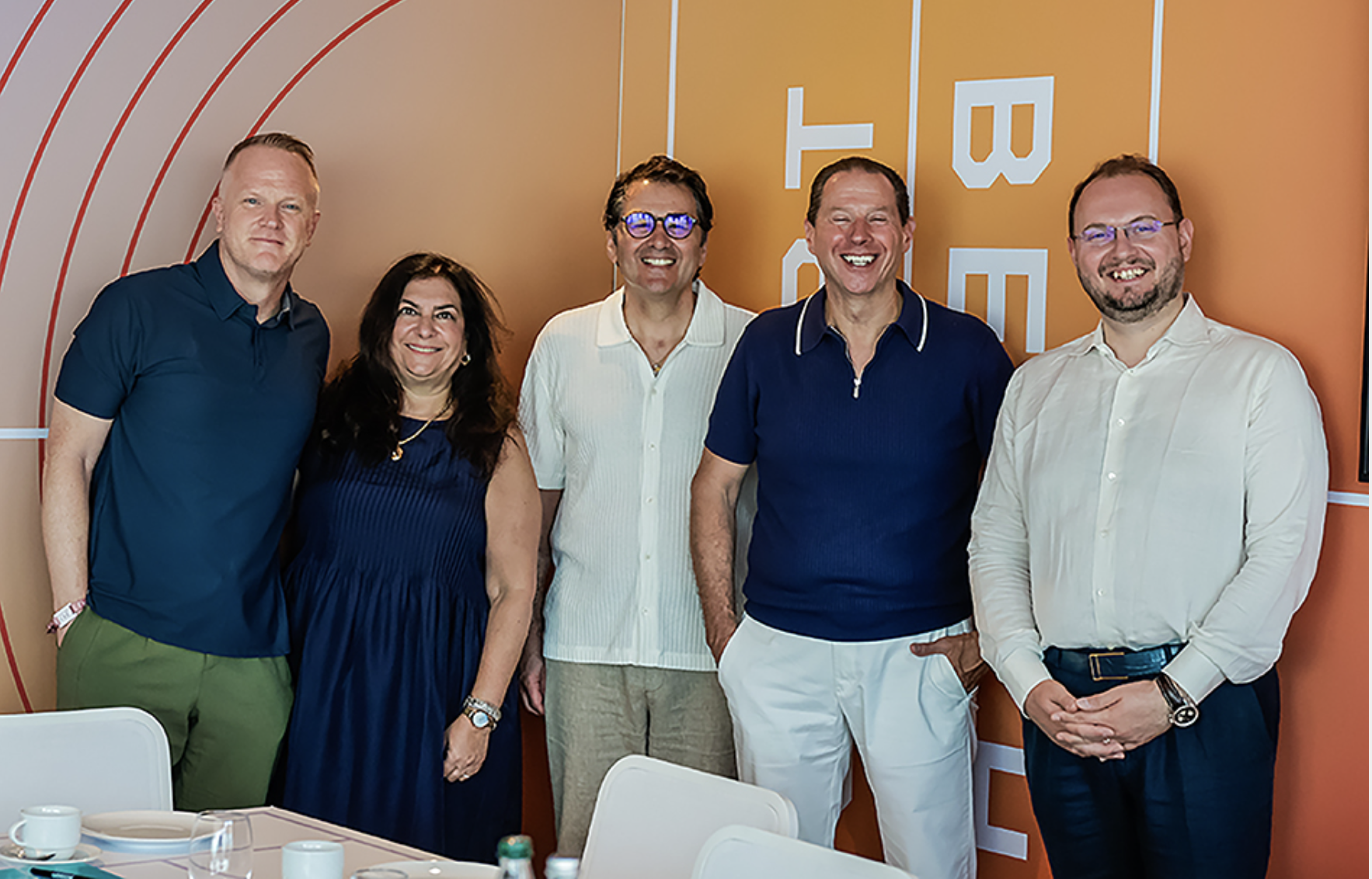
The Allison Worldwide/Stagwell team: (l-r) Martin, Lund, Sardella, Day and Nesho. (Photo courtesy of SPORT BEACH)
The power of emotion Day observed that in the current marketplace, it’s no longer enough to lean on sentiment. To really resonate with consumers, comms pros need to harness analytics to shape storytelling that unlocks emotion and truly resonates with consumers.
The goal, as any sports team knows, is to have a devoted fan base. Keeping those fans happy depends on knowing what is important to them.
“Consumers don't care what you know until they know that you care,” noted Sardella.
“It’s so critical to listen to what people care about,” continues Grindr’s Sarah Jenkins, who always turns to social media to understand which issues are inspiring or enraging consumers.
While the digital landscape has made it easier for comms pros to know which issues are being discussed, it also makes it more challenging for companies to decide which issues are appropriate for brands to take a stand on.
“Social media seldom reflects reality and it's very easy to forget that when you're in the echo chamber,” observed HarrisX’s Dritan Nesho. Putting some numbers to his comment, he shared that while three quarters (72%) of consumers say they want brands to have a voice and to engage publicly, when it comes to weighing in on public controversies, 62% want companies to just “stick to their services or product” and be very selective when they do comment.
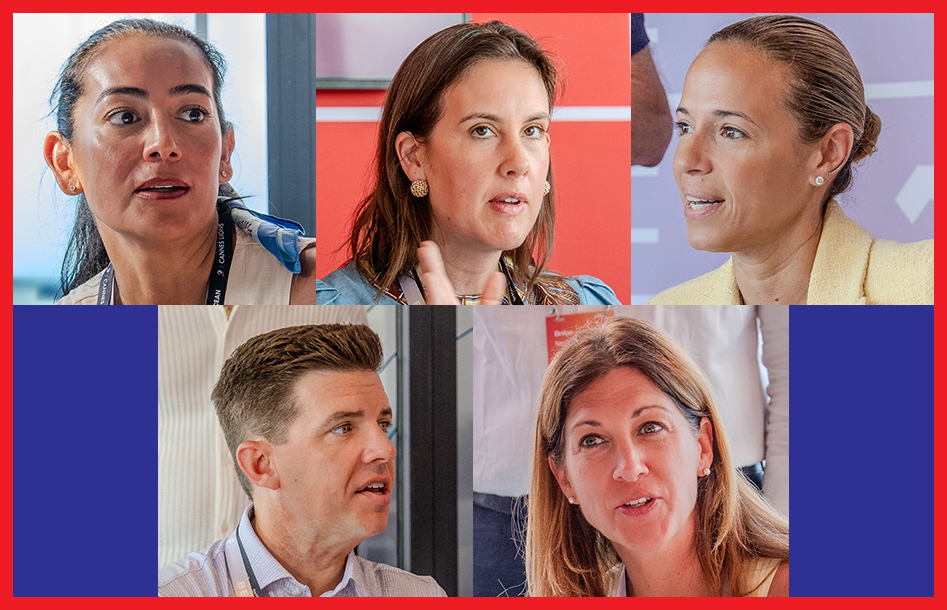
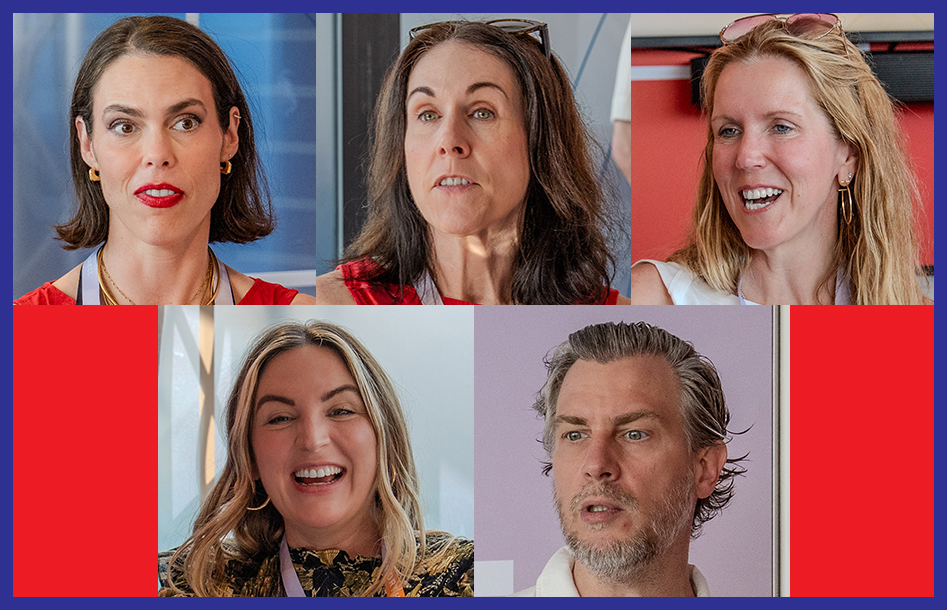
Clockwise from top left: Herrmann, Williams, Anton, Bonitatibus and Collins. (Photo courtesy of PLAYE/Gregg Lacobbi)
The challenge, added Nesho, is for brands to “have a smart voice and to engage in a way that doesn't create backlash and allows you to navigate to your intended goals.”
Comms pros may be using different playbooks when it comes to weighing in on issues, but they all agree on the importance of remaining authentic.
While e.l.f. Beauty is a brand known for its inclusivity, its VP of corporate comms Samantha Critchell is careful not to wade into issues on which the company has no authority and its community has no interest. “Everything has to match our ethos,” she asserted.
Some industries need to be especially wary of the spotlight. As a pharma company, Merck takes a conservative approach to addressing issues, noted CCO Johanna Herrmann. “Being proactive comes with such risks for us that we’re only inserting ourselves if there is a clear benefit to doing so,” she said.
In the end, “playing your own game” and doing things that “actually matter for you and that advance your company's interests” is what’s important, suggested Reddit’s Adam Collins. Resonating with your audience and having an impact on the business are what really count.
And this is where analytics can be particularly invaluable. Since emotional intensity is a critical indicator of whether brands should engage in an issue, Allison Worldwide’s Corey Martin pointed out that a solid understanding of your brand’s specific communities is essential to determining which topics drive engagement.
“To measure emotional resonance, we must be in a space where we're asking ourselves what made people participate, what builds community, what drives action,” he continued. “We look at saves, shares, likes, emotional relevance and LLM visibility. The KPIs have changed when it comes to basic media strategy and how we apply those to our business becomes critical.”
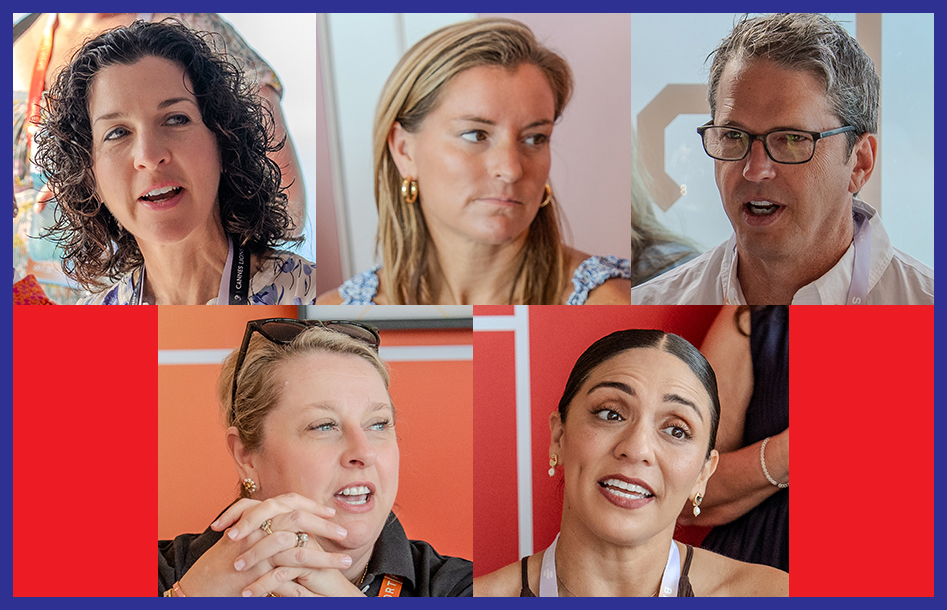
Clockwise from top left: Laughlin, Miller, Dubner, Fanucchi and Gamble. (Photo courtesy of PLAYE/Gregg Lacobbi)
The power of prevention While difficult to measure, the most important work comms pros often do is to prevent crisis from happening or spiraling. To help document this important work, PayPal’s Amy Bonitatibus created a database of story kills and she includes a tally of negative stories her team has shut down in her CEO report.
“We're putting out fires that can help drive our bottom line across the board,” concurred USA TODAY Co.’s Lark-Marie Anton.
Emotion enters the picture here, too. Predictive analytics that measure emotion can be very effective in scoping out issues before they can become stories that have to be dealt with.
Sardella explained how Allison Worldwide uses such tools in working with FIFA, soccer’s global governing body, on the comms strategy for the men’s World Cup. When it moved to digital dynamic ticket pricing, FIFA monitored social media worldwide to determine how fans felt about the change and adjusted their strategies and narratives around ticket pricing accordingly to ensure it did not affect emotion around the quadrennial event.
And during the tournament, Allison Worldwide operates a comms “command center” that enables quick filtering so emotional issues surfacing around the event — from frustration around ticket purchase to crowd control — can be pinpointed.
Sardella noted that identifying “low volume, but high emotional intensity” issues that could blossom into larger concerns allows comms to “see around corners” and be better prepared for the what’s next, no matter what it is.
Panelists agreed that such proactive strategies are the future of the discipline.
“We are now uniquely positioned to help a business think proactively,” explained Dow Jones’ Ashok Sinha. “We also have a unique position — and responsibility — to be the chief truth teller to our CEOs.”
And data, agreed participants, is integral to that “truth teller” role.
“We try to be probabilistic around issues, so if we make a move we have data to support a certain outcome,” noted Boston Consulting Group’s Russell Dubner. “I’m not going to the executive committee with just my opinion.”
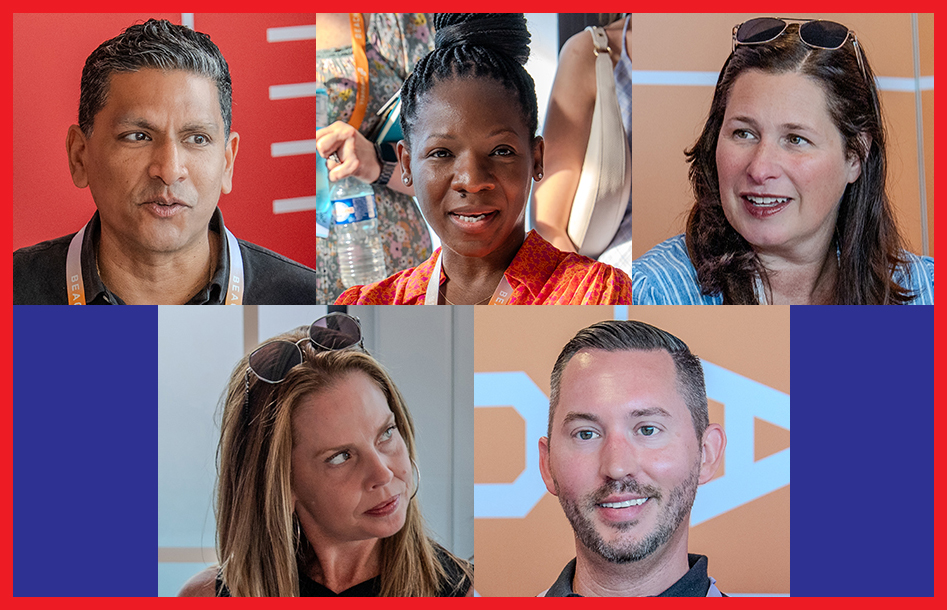
Clockwise from top left: Sinha, Young, Critchell, Thornburg and O'Neill. (Photo courtesy of PLAYE/Gregg Lacobbi)
Comms and marketing: One team Panelists noted that the lines between comms and marketing are increasingly blurring — and that is good news for brands overall.
“What was once in the comms lane or in the marketing lane is now totally intermeshed,” suggested Target’s Alexis Williams. “Knowing your role on the team is important, but it’s all towards one objective.”
This increased commitment to “one team, one jersey” has been paying off for Instacart, added Francisca Fanucchi, its senior director of communications. In fact, she admitted that since comms was moved under marketing at her company, the team has access to data it never had before. That paid off enormously during the company’s most recent Benson Boone/Ben Stiller “Bananas” campaign that debuted during the Super Bowl.
Pearson’s Laura Gamble highlighted how her team has also benefitted from being brought under the marketing umbrella.
“For the first time,” she reported, “we're able to plug our metrics into brand health so we can see a bigger picture of how we move the needle on how our brand is viewed.”
“Communicators that don't see themselves as a part of the marketing funnel are doing themselves a disservice,” echoed Sojern’s Scott Thornburg. “The instinct, intuition and emotional intelligence that comes through the communications function is what powers a lot of our brand messaging and marketing efforts.”
He added that everything that’s measured on the communications side is embedded within the overall metrics of marketing campaigns.
Having both teams align is always a win, asserted Hinge’s Tamika Young. “Comms provides insights into the conversations we see happening and that drives marketing campaigns.”
Comms is also proving to be a valuable partner to marketing in establishing brand visibility in a world where LLMs are such an important audience for brand content.
“Marketers are starting to appreciate the importance of sentiment, what people are saying about us, because that's what they're seeing when they're searching for us,” pointed out Bobcat’s Laura Ness Owens.
The long-term brand visibility and reputation that comms can contribute to marketing efforts is particularly important to brands with products that require deliberation and are not typically impulse purchases.
“We've been trying to think more strategically about how can we align comms not just to a launch, not just to lead marketing,” noted IBM’s Caitlin O’Neill, “but to support them along the way with these products.”
Clockwise from top left: Green, Stevenson, Ness Owens, Washkuch and Jenkins. (Photo courtesy of PLAYE/Gregg Lacobbi)
Knowing when to pivot Sticking with the sport theme, a forward-thinking approach also depends on adjusting at halftime — a willingness to analyze what isn't working and to redesign strategy.
The Milken Institute’s Michelle Stevenson offered an example. She explained that after realizing LLM results weren’t surfacing areas where her organization appeared as a thought leader, her team embarked on an internal listening project with Reddit to find ways to “insert ourselves in the appropriate discussions as another place to build the credibility for our own internal stakeholders.” That data will also be shared with marketing.
Yahoo’s Erin Miller noted that her company has one staffer completely dedicated to the brand’s LinkedIn channel — a strategy which has led to significant results in click-throughs.
Critchell highlighted how she recently reconsidered the importance of a small industry publication she previously deemed a small-time player, but was actually number two in GEO search results.
Overwhelmingly, panelists suggested that they were open to new strategies.
“You need to be agile and stay resilient, just like a high-performing sports team,” noted Delta Air Lines’ Gina Laughlin. And Deloitte’s Kori Green added that the most successful comms pros must also be willing to have “tough conversations around what worked and what didn't and how we are going to change before we go back out on the field.”



_1.jpeg)


.png)